 One of our Winterskloof Conservancy members was distraught recently to see a resident of our Valley walk out of the Spar with an armful of Rattex. The use of this poison has consequences, which we all need to understand, so we can make informed decisions for the sustainability of the wildlife in our Valley.
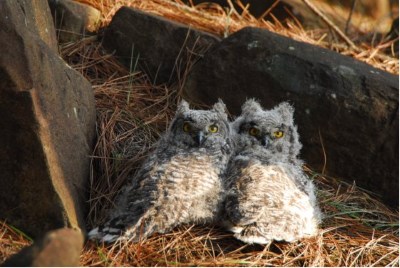
A food chain is a system where a small creature is the food for a larger one which, in turn, is the food for an even larger animal. Owls and raptors are perched on top of their food chains and we are privileged to have many in the Winterskloof Valley. One of our Valley families has even become an owl rehabilitator, looking after injured birds until they are able to fend for themselves and be released. It will be devastating if the use of poisons (for snails, rats, etc) kills off these beautiful owls that have been given a second chance in life. We cherish their nocturnal calls as they do their rodent control work for us, free of charge!
Many people don't realise that when an owl or other predator eats a poisoned rodent, that animal gets poisoned too. These poisons are killing the very animals, like the Barn Owl, that naturally control rodents. For owls to survive, there needs to be enough food (rats and mice) for them to eat. This means that there will be these essential creatures in the food chain. We do need to keep them out of our houses, but shockingly, over 86% of all tested wildlife patients show evidence of exposure to rat poisons! These animals are eating poisoned rodents and carrying varying loads of toxic poison in their systems and those of their chicks, as a result.
Rat poisons kill by making whatever animal eats them bleed to death internally – slowly and painfully over a period of days. While the poisoned rats or mice are still alive, they (and their deadly load of poison) can be caught more easily and consumed by other predators including owls, cats and dogs. Rodents are the basic food source for a number of different predators all the way up the food chain, including owls, buzzards, eagles, genets and caracal (rooikat) in our area. It is a terrifying prospect; to kill many animals while targeting only one! As top or apex predators, the presence or absence of raptors (including owls) from an area can tell us how healthy the environment is. If raptors are rare or absent it means that the balance of nature has been disturbed.
South Africa has 12 owl species varying in size from the tiny Pearl-spotted Owlet to the imposing Verreaux's Eagle-Owl (previously called a Spotted Eagle-Owl). Owls are found in many habitats, from bushveld to grasslands, on cliff-faces, along river-banks and in our cities. There are fewer owls and other raptors in the Valley each year, not from the lack of habitat or food, but from the widespread and improper use of poison bait in misguided attempts to control rats. Rat poison is having dangerous and detrimental effects on the wildlife in our area. We need to find better ways to live well with wildlife.
Please STOP using rat poisons as they are doing more harm than good. So what CAN we do to keep control these creatures that cause damage when they choose to live in our houses instead of our gardens?
Ben Hoffman, from the Raptor Rescue Centre advocates the use of the Rat Zapper, which resident Sharon Gilbert has bought and safely set up. It provides a lethal shock when a rat or mouse enters the trap. There are no poisons used and thus will not affect other creatures that may eat the dead mouse or rat.
What a pleasure to have an environmentally responsible alternative to controlling the rodents that may be wreaking havoc in our ceilings!
Supplied by Winterskloof Conservancy.